Cooling Systems Built for Northern Illinois Summers
Central AC installation in Johnsburg for homes with outdated systems or inadequate cooling capacity
TCS Mechanical installs central air conditioning systems throughout Johnsburg, Illinois, focusing on proper equipment sizing and installation practices that affect long-term performance. You need this service when your current system can't maintain comfortable temperatures during peak summer heat, when utility bills climb each season despite normal usage, or when replacing a unit that's reached the end of its operational lifespan. System sizing directly determines whether the equipment cycles correctly—oversized units short-cycle and create humidity problems, while undersized systems run continuously without reaching set temperatures.
The installation process involves load calculation based on your home's square footage, insulation levels, window placement, and sun exposure to determine the correct tonnage. Modern units operate more efficiently than systems installed even ten years ago, typically reducing cooling costs by twenty to thirty percent when sized and installed correctly. Northern Illinois summers create specific demands—high humidity combined with temperatures in the upper eighties and nineties requires equipment that handles both sensible and latent cooling loads.
Schedule an on-site evaluation to review your home's cooling requirements and current system condition.
What Proper Installation Determines Long-Term
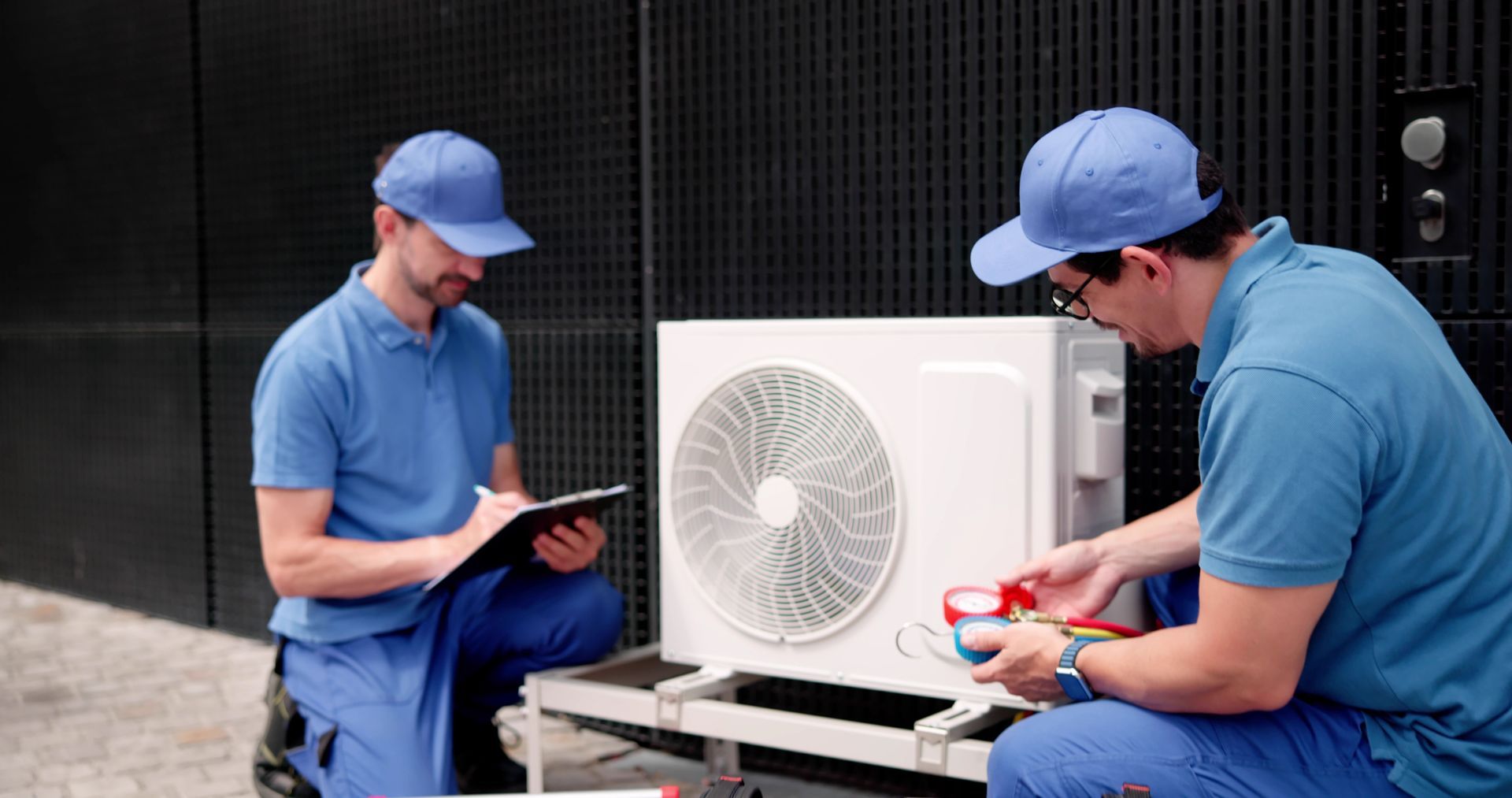
Refrigerant charge must match manufacturer specifications exactly—even a ten percent variance reduces efficiency and shortens compressor life. Ductwork gets inspected for leaks and sizing issues before the new system goes in, since air delivery problems cause most comfort complaints after installation. Condensate drainage requires correct pitch and trap configuration to prevent water backup and biological growth in the drain pan.
After installation finishes, you'll notice rooms reach set temperature consistently without hot spots near windows or upper floors. The system cycles on and off at regular intervals rather than running constantly, and indoor humidity stays in a comfortable range instead of feeling clammy even when the air feels cool. Equipment operates quietly during normal cycles—rattling, grinding, or loud startup sounds indicate installation problems that should be addressed immediately.
The installation includes electrical work to handle the system's power requirements, refrigerant line installation with proper insulation to prevent condensation, and thermostat wiring that allows the system to communicate correctly. Installation does not include ductwork modifications beyond minor adjustments, electrical panel upgrades if your current service is inadequate, or concrete pad replacement if the existing pad is level and structurally sound. Most installations complete in one day for straightforward replacements, though homes requiring significant duct modifications or electrical upgrades take longer.
Questions Homeowners Ask Before Installation
Replacing aging equipment before it fails completely allows you to choose installation timing rather than scrambling during the hottest weeks of summer when availability is limited.
What size system does my home actually need?
Load calculation accounts for insulation, window area, orientation, and internal heat sources—rules of thumb based solely on square footage often result in oversized equipment that costs more and performs worse.
How does refrigerant charge get verified after installation?
Technicians use superheat and subcooling measurements at the evaporator and condenser to confirm the system contains the exact refrigerant amount specified by the manufacturer, which requires specific temperature and pressure readings.
When should I replace rather than repair an existing system?
Systems older than twelve to fifteen years typically use less efficient technology and R-22 refrigerant that's being phased out, making replacement more cost-effective than major repairs.
What efficiency rating makes sense for Johnsburg's climate?
SEER ratings above sixteen provide diminishing returns in northern Illinois since cooling season is relatively short—a fourteen to sixteen SEER system balances efficiency with reasonable equipment cost for this region.
How does installation affect existing ductwork?
Existing ducts get inspected for sizing, leaks, and insulation condition—undersized or leaky ductwork reduces system performance regardless of equipment quality and may require modification for optimal operation.
TCS Mechanical handles installations throughout Johnsburg and neighboring communities where summer cooling reliability directly affects home comfort. Contact us to arrange a load calculation and equipment recommendation based on your home's specific characteristics.