Moisture Levels That Prevent Winter Dryness
Central humidifier installation and replacement in Johnsburg for homes with low humidity during heating season
Forced-air heating systems dry indoor air as they operate, since furnaces heat air without adding moisture and distribution through ductwork increases evaporation of existing humidity. You notice this when static shocks become frequent, wood furniture develops cracks and gaps, nasal passages feel irritated upon waking, and skin becomes uncomfortably dry despite lotions and treatments. Central humidifiers mount directly to your furnace ductwork and add measured moisture to heated air as it circulates through your home, maintaining humidity levels that prevent these problems without requiring portable units in each room. TCS Mechanical installs and replaces central humidifiers in Johnsburg, Illinois, where winter heating cycles run for months and indoor humidity often drops below twenty percent without mechanical humidification.
The system draws water from your home's plumbing, distributes it across an evaporator pad or misting chamber, and introduces humidity into the air stream as the furnace blower operates. A humidistat monitors indoor humidity levels and activates the humidifier only when moisture addition is needed, preventing over-humidification that causes condensation problems on windows and cold surfaces.
Schedule an assessment to determine the right humidifier capacity for your home's size and typical winter humidity levels.
How Whole-Home Humidification Addresses Dryness
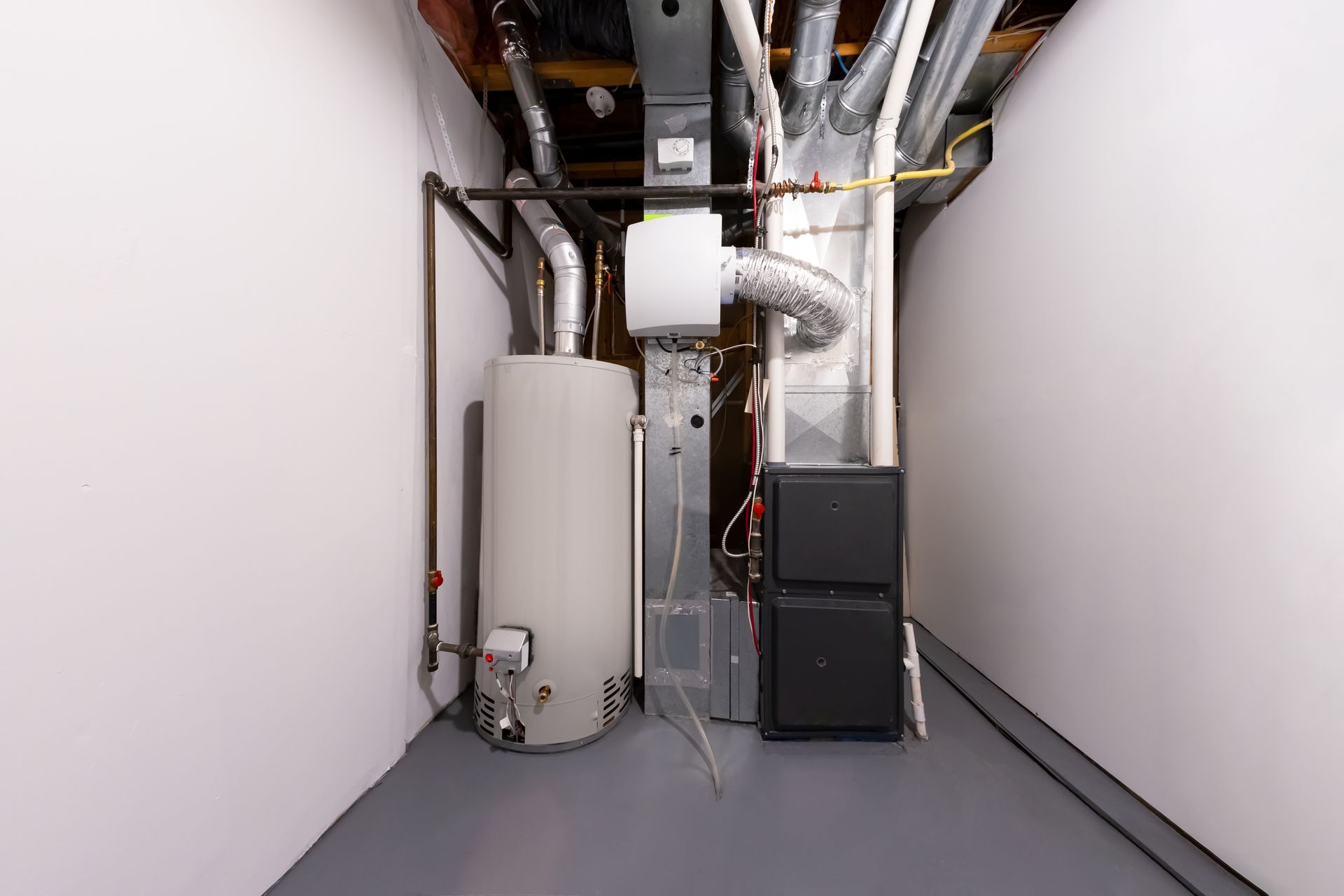
Installation involves mounting the humidifier cabinet to the supply or return plenum of your furnace, running a water line from nearby plumbing with a shutoff valve for seasonal control, and installing a humidistat to regulate operation. Bypass humidifiers use the furnace blower to move air through the humidifier pad, while fan-powered models include their own blower for more aggressive moisture output. Drain lines carry away excess water and mineral deposits that accumulate during operation.
Once the system operates at correct settings, you notice static electricity occurrences decrease significantly, wood floors and trim maintain stable dimensions without seasonal gaps, and respiratory comfort improves during sleep and throughout the day. Paint and wallpaper adhesion improves since materials aren't cycling through extreme dryness, and musical instruments stay in tune better as wood components experience less humidity-related movement. Windows may show slight condensation during extremely cold nights when indoor humidity meets cold glass, which indicates the system is adding moisture effectively.
Replacement addresses performance decline in aging units where mineral buildup restricts water flow, pads deteriorate and reduce evaporation efficiency, or control systems malfunction and either over-humidify or fail to activate. The humidifier pad requires annual replacement before heating season begins to maintain output capacity—mineral deposits from evaporated water gradually clog the pad material regardless of water quality. Installation does not include water filtration systems, though hard water accelerates pad deterioration and increases maintenance frequency.
What Property Owners Usually Ask
Central humidification affects home comfort and building materials, which leads to practical questions about operation and appropriate humidity targets.
What humidity level should I maintain during Johnsburg winters?
Indoor humidity between thirty and forty percent prevents dryness problems without causing condensation on windows during typical cold weather—exact targets depend on outdoor temperature and window insulation quality.
How often does the humidifier pad need replacement?
Annual pad replacement before heating season starts maintains proper moisture output, though homes with hard water may need mid-season replacement if mineral buildup becomes excessive.
When should I see results after installation?
Humidity levels begin rising within hours of operation, though severely dry homes may take several days to reach target humidity as building materials and furnishings absorb initial moisture before air humidity stabilizes.
Why does water consumption vary throughout winter?
The humidifier uses more water during the coldest weeks when furnace runtime increases and extremely dry outdoor air infiltrates the home, requiring more aggressive moisture addition to maintain set points.
How does a central humidifier compare to portable units?
Central systems treat the entire home automatically without requiring daily filling, room-by-room placement, or the frequent cleaning that portable units need to prevent biological growth in standing water reservoirs.
TCS Mechanical handles central humidifier installation and replacement for Johnsburg homeowners addressing winter air quality and comfort concerns that portable humidifiers can't adequately resolve. Request an installation estimate to review equipment options and capacity requirements specific to your home's heating system and square footage.