Cooling Without Running New Ductwork
Ductless AC installation and service in Johnsburg for homes with room-specific cooling needs or properties lacking central duct systems
Homes with finished basements, converted garages, or additions built after the original HVAC installation often struggle with uneven cooling because extending ductwork through finished spaces involves tearing into walls and ceilings. Ductless air conditioning systems address this by delivering refrigerated air directly into the room through wall-mounted or ceiling-recessed units connected to an outdoor compressor by refrigerant lines that run through a small penetration in the exterior wall. TCS Mechanical installs and services these systems throughout Johnsburg, Illinois, with attention to refrigerant line routing and indoor unit placement that avoids drafts while covering the intended cooling zone.
Ductless systems use inverter-driven compressors that adjust cooling output continuously rather than cycling on and off, which reduces temperature swings and lowers operating costs compared to fixed-speed equipment. Each indoor unit operates independently, allowing you to cool only occupied rooms instead of conditioning the entire house when you're using just one or two areas. Installation avoids the 20 to 30 percent energy loss typical of leaky ductwork, since refrigerant lines are sealed systems that don't allow conditioned air to escape into attics or crawlspaces.
Arrange an on-site evaluation to review placement options and cooling coverage for your specific rooms.
What You Notice Once the System Is Finished
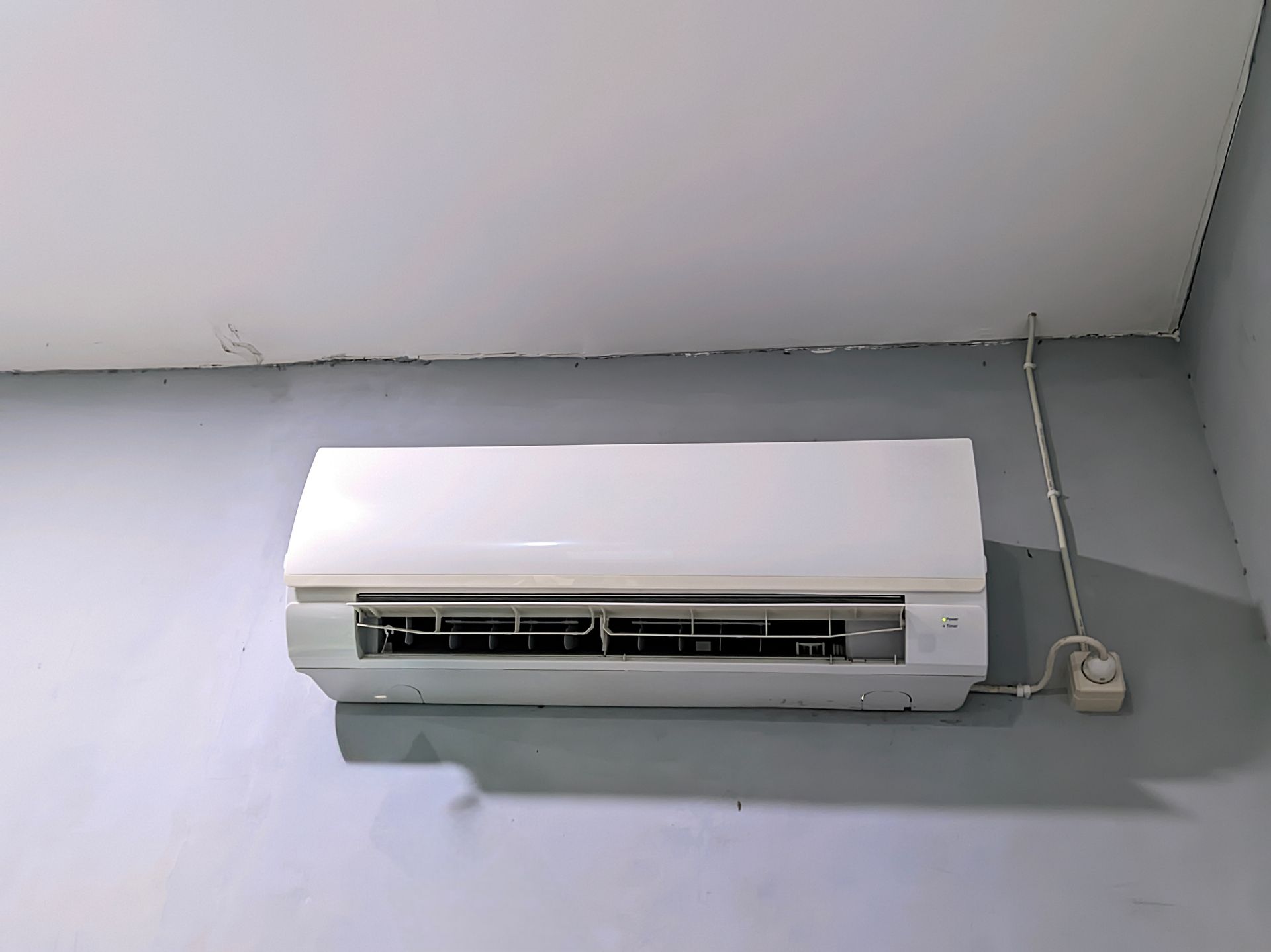
After installation, the indoor unit responds to temperature changes in the room it serves, adjusting compressor speed to maintain your set point without the abrupt on-off cycling of conventional air conditioners. The equipment operates quietly—most indoor units produce around 25 to 30 decibels at low speed, which is quieter than a typical refrigerator. Installation includes mounting the indoor unit high on an interior wall or recessed into a ceiling, positioning it to distribute air across the room without blowing directly onto seating areas or workspaces.
You'll notice steady temperatures without the cold spots that sometimes occur near supply vents in ducted systems or the warm zones that develop in rooms far from the central air handler. The system includes a wireless remote that controls temperature, fan speed, and airflow direction, allowing you to adjust settings without touching the unit itself. Because each indoor unit has its own thermostat and control, you can set different temperatures in different rooms based on occupancy and preference.
Ductless systems require annual maintenance that includes cleaning the indoor unit's filter and drain pan, checking refrigerant pressures, and inspecting electrical connections at both the indoor and outdoor units. Homes in areas with heavy cottonwood or other airborne debris may need filter cleaning more frequently to prevent airflow restriction. The outdoor compressor should be kept clear of leaves, grass clippings, and snow accumulation to maintain proper heat exchange and prevent compressor strain during peak cooling demand.
Answers to Frequent Service Questions
Property owners considering ductless cooling typically ask about installation logistics, performance expectations, and how the equipment integrates into existing homes without major construction.
How does a ductless system cool multiple rooms?
Multi-zone systems connect up to five indoor units to a single outdoor compressor, with each indoor unit controlled independently and refrigerant lines running from the outdoor unit to each location, allowing you to cool scattered rooms without running ductwork through finished spaces.
What installation work is required inside the home?
Installation involves mounting the indoor unit on an interior wall, drilling a three-inch penetration through the exterior wall for refrigerant lines and drainage, and routing a condensate drain to an appropriate discharge point, which usually takes half a day per indoor unit in homes throughout Johnsburg.
Can ductless systems handle heating as well as cooling?
Most ductless systems operate as heat pumps, extracting heat from outdoor air even in cold weather, though their heating capacity drops as temperatures fall below 20 degrees Fahrenheit, which may require backup heat during the coldest stretches in northern Illinois.
Why would condensate drainage matter for a ductless system?
The indoor unit condenses moisture from the air during cooling, and that condensate must drain properly to prevent leaks or water damage, so installation includes routing a drain line to the outdoors or connecting it to an existing drain if the unit is installed in a basement or utility room.
How does energy efficiency compare to central air conditioning?
Ductless systems avoid duct losses and use inverter compressors that adjust output precisely to match cooling demand, which typically results in 20 to 40 percent lower operating costs compared to conventional ducted systems with similar cooling capacity.
TCS Mechanical handles installation, repair, and routine maintenance for ductless cooling and heating systems. Contact us to discuss zone configurations and equipment options that match your home's layout and cooling priorities.