
Warmth That Rises From the Surface
Radiant floor heating system installation in Johnsburg for consistent heat distribution without ductwork or forced air
Floors feel cold during northern Illinois winters because heat rises and leaves lower surfaces unheated even when room air reaches comfortable temperatures. Radiant floor heating addresses this by embedding tubing or heating elements in or beneath flooring materials, warming surfaces that then radiate heat upward to objects and people rather than relying on air circulation. TCS Mechanical installs radiant floor heating systems in Johnsburg, Illinois for bathrooms where tile floors otherwise feel uncomfortably cold, finished basements where concrete slabs create persistent chill, and whole-home applications where homeowners want quiet, draft-free heating without the air movement and dust circulation that forced-air systems create.
Hydronic systems circulate heated water through PEX tubing installed in concrete slabs or beneath finished floors, while electric systems use resistance cables embedded in thin mats. Water-based systems cost more initially but operate more efficiently for whole-home heating, whereas electric systems work well for small areas like bathrooms where installation simplicity outweighs operating cost. The system responds slowly compared to forced air—thermal mass in floors takes time to warm up but continues radiating heat long after the system cycles off, creating stable temperatures without noticeable fluctuations.
Arrange a consultation to evaluate your flooring type, insulation, and heating goals before selecting system components.
What Changes After Installation Completes
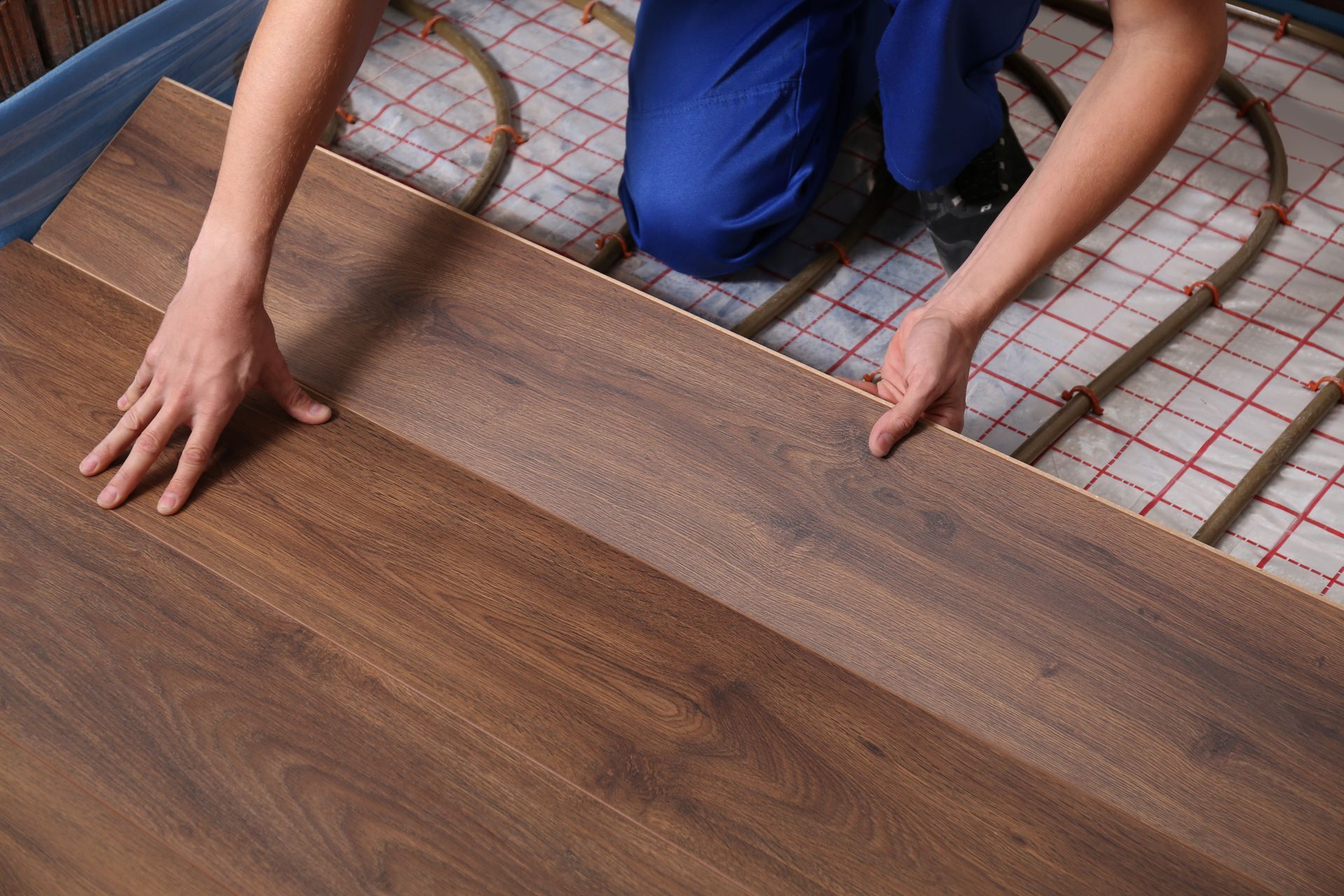
Installation timing depends on construction stage and flooring type—new construction and major remodels allow tubing or cables to be embedded in concrete or installed beneath subfloors, while retrofit applications use low-profile systems that fit between floor joists or in self-leveling compounds beneath new flooring. Tubing layout follows specific spacing patterns to distribute heat evenly, with closer spacing near exterior walls and windows where heat loss is greatest. Manifold placement requires accessible locations for future service, and insulation beneath the heating elements prevents heat from migrating downward into unheated spaces.
After the system begins operation, you notice floors maintain a comfortably warm temperature throughout the day rather than feeling cold to bare feet. Rooms heat evenly from floor to ceiling without the stratification common in forced-air systems where warmth collects near ceilings. The absence of blowing air means less dust circulation and quieter operation—no fan noise, duct rumble, or register whistling. Humidity levels remain more stable since heated air isn't constantly being pushed through ductwork that can dry it further.
The installation includes controls that allow temperature scheduling and zone management if multiple areas are being heated, plus integration with existing boilers or water heaters for hydronic systems. Installation does not include subfloor replacement unless existing structures are damaged, new finished flooring materials, or removal and disposal of existing floor coverings. Carpet and thick padding reduce system effectiveness by insulating the floor surface, so tile, stone, engineered wood, and laminate perform better with radiant heating.
Answers to Frequent Service Questions
Radiant heating works differently than conventional forced-air systems, which raises specific questions about performance and installation requirements.
What flooring materials work best with radiant heat?
Tile and stone conduct heat most effectively and tolerate temperature changes without damage, while engineered wood and laminate perform adequately if installed according to manufacturer specifications—solid hardwood can gap or warp with temperature cycling.
How long does it take for floors to warm up after the system turns on?
Thermal mass in concrete or tile means floors may take several hours to reach target temperature from a cold start, which is why radiant systems work best with consistent temperature settings rather than large setbacks.
When does radiant floor heating make sense compared to forced air?
Radiant heat suits homes where quiet operation matters, where occupants have allergies aggravated by air circulation, or where room layouts and high ceilings make forced-air distribution inefficient—common scenarios in Johnsburg's mix of older and custom-built homes.
How does the system integrate with existing heating equipment?
Hydronic radiant systems connect to boilers, water heaters, or dedicated heat sources through heat exchangers and pumps, with separate thermostats controlling floor zones independently from other heating areas.
What maintenance does radiant floor heating require?
Hydronic systems need periodic inspection of pumps, valves, and fluid levels plus occasional air purging from tubing loops, while electric systems require virtually no maintenance once installed and operating correctly.
TCS Mechanical installs radiant floor heating for property owners in Johnsburg and nearby areas pursuing comfort improvements that conventional heating can't provide. Contact us to discuss your project scope and determine whether radiant heat fits your renovation plans and heating preferences.