System Assessments for Property Transactions
HVAC inspections and services for real estate transactions in Johnsburg for buyers, sellers, and agents requiring detailed system evaluations
Pre-sale HVAC inspections reveal equipment age, remaining service life, and deferred maintenance that affects property value or negotiation leverage. TCS Mechanical provides these evaluations for real estate transactions in Johnsburg, Illinois, documenting system condition with written reports that include equipment model and serial numbers, observed deficiencies, and estimated costs for necessary repairs or replacements. Buyers use this information to negotiate credits or request repairs before closing, while sellers can address known issues proactively to avoid last-minute complications or price reductions.
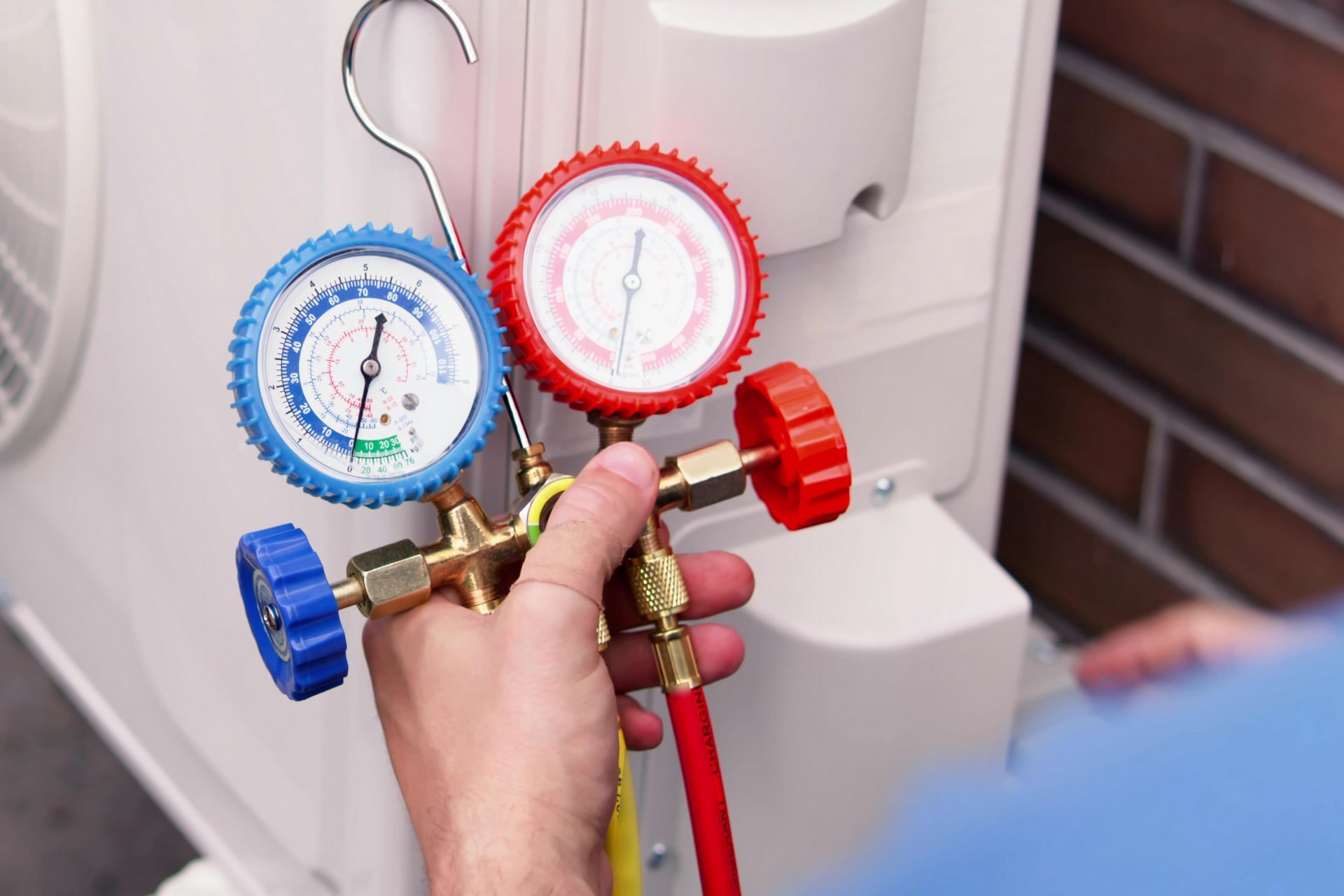
The inspection process includes operating heating and cooling equipment to verify function, checking refrigerant pressures and temperatures to identify leaks or low charge conditions, and examining ductwork for leaks or damage that reduces efficiency. Inspectors note whether equipment is properly sized for the home, whether safety controls function correctly, and whether installations meet current code requirements. In competitive markets, having this documentation ready before listing accelerates transactions and reduces buyer objections related to HVAC uncertainty.
Schedule a pre-sale inspection to document system condition and address potential buyer concerns before listing your property.
What Proper Inspections Require
Real estate HVAC inspections go beyond general home inspections by testing system performance under operating conditions rather than relying solely on visual observation. Testing includes measuring temperature differential across the heat exchanger or evaporator coil, checking blower motor amperage against rated specifications, and verifying that safety switches shut down equipment when unsafe conditions occur. This identifies problems that aren't visible during a walk-through—heat exchangers with hairline cracks, refrigerant leaks that reduce cooling capacity, or ductwork so poorly sealed that rooms never reach comfortable temperatures.
After the inspection, you receive a written report that lists specific findings with supporting measurements and photographs. This documentation helps buyers understand what they're purchasing and provides contractors with clear information for estimating repair costs. Sellers benefit by knowing exactly what issues exist and can choose to repair items before buyers request them during negotiations, which often costs less than offering price concessions that exceed actual repair expenses.
Post-purchase services include system tune-ups, refrigerant recharges, duct sealing, and equipment replacements for buyers who identified issues during inspection and want them resolved immediately after closing. Coordinating these repairs with transaction timelines means systems are fully functional when new owners move in, avoiding the frustration of discovering heating or cooling problems during the first extreme weather after purchase.
Questions Before Scheduling an Inspection
Agents and homeowners preparing for property sales or purchases often ask about inspection scope, timing, and how the process integrates with real estate transaction deadlines.
What does an HVAC inspection cover that a general home inspection might miss?
HVAC-specific inspections include refrigerant pressure testing, heat exchanger integrity checks, blower performance measurements, and ductwork leakage assessment, which general inspectors often skip due to time constraints or equipment limitations.
When should sellers schedule a pre-sale inspection?
Completing the inspection before listing allows time to address issues without delaying closing timelines, and having documentation ready when buyers request it demonstrates transparency that builds confidence in the overall property condition.
How long does a thorough inspection take?
Most residential HVAC inspections require 90 minutes to two hours, depending on system complexity and the number of heating and cooling zones, with written reports typically delivered within 24 hours for time-sensitive transactions in Johnsburg and surrounding areas.
Why does equipment age matter more than appearance?
Furnaces and air conditioners typically last 15 to 20 years regardless of how clean they look, and older equipment operates less efficiently and requires more frequent repairs, so buyers need accurate age information to plan for replacement costs even if systems currently function.
Can inspections identify issues that affect home insurance or financing?
Yes, inspectors document safety concerns such as cracked heat exchangers that produce carbon monoxide risks or improper installations that violate electrical codes, which lenders or insurers may require homeowners to correct before approving loans or coverage.
TCS Mechanical works with buyers, sellers, and real estate agents to provide inspection services that support informed decision-making during property transactions. Contact us to arrange an inspection or discuss post-purchase system upgrades that address issues identified during the buying process.