Cleaner Air Throughout Your Living Spaces
Indoor air quality services in Johnsburg for homes addressing allergen reduction, humidity control, and respiratory comfort concerns
Indoor air quality in northern Illinois homes deteriorates during heating season when windows stay closed for months and forced air systems recirculate the same air continuously without introducing fresh outdoor ventilation. This concentrates dust, pet dander, mold spores, and volatile organic compounds from household products, which triggers allergy symptoms, aggravates asthma, and creates stale odors that persist despite regular cleaning. TCS Mechanical installs air purification equipment, whole-home filtration systems, and humidity control devices that integrate with existing HVAC systems in Johnsburg, reducing airborne contaminants and maintaining moisture levels that prevent dry skin, static electricity, and respiratory irritation during winter months.
Solutions include HEPA filtration systems that capture particles as small as 0.3 microns, UV germicidal lights that deactivate airborne bacteria and mold spores as they pass through ductwork, and whole-home humidifiers that maintain 35 to 45 percent relative humidity without the mold growth risks associated with portable units. These systems operate automatically as your furnace or air handler runs, treating air continuously rather than requiring manual operation or room-by-room placement like standalone purifiers.
Schedule an indoor air quality assessment to identify specific contaminants and review equipment options for your home.
What Changes After Installation
Air quality improvements become noticeable within days as filtration systems remove accumulated dust and allergens from circulating air. High-efficiency filters capture particles that standard furnace filters miss, including fine dust, pollen fragments, and pet dander that trigger allergic reactions even when surfaces appear clean. UV lights prevent biological growth inside ductwork and on cooling coils, eliminating the musty odors that sometimes occur when air conditioners run in humid weather.
You'll notice reduced dust accumulation on furniture and electronics, fewer allergy symptoms during high pollen seasons, and elimination of the dry throat and nasal irritation common during winter heating. Whole-home humidifiers maintain consistent moisture levels that prevent hardwood floors from cracking, reduce static shocks, and make indoor air feel more comfortable at lower thermostat settings, which can reduce heating costs slightly while improving respiratory comfort.
Maintenance requirements vary by equipment type—HEPA filters need replacement every 6 to 12 months depending on household dust levels, UV bulbs lose germicidal effectiveness after one to two years and require replacement even if they still produce visible light, and humidifiers need annual cleaning to prevent mineral buildup that restricts water flow and reduces output. Regular filter changes maintain airflow through your HVAC system, preventing the blower strain that occurs when dirty filters restrict air movement.
What Property Owners Usually Ask
Homeowners considering air quality upgrades typically want to understand which solutions address their specific concerns and how equipment integrates with existing heating and cooling systems.
How does whole-home filtration differ from portable air purifiers?
Whole-home systems treat air continuously as your furnace or air handler operates, filtering air throughout the entire house rather than just one room, and they use larger filters with greater surface area that capture more contaminants without restricting airflow.
What air quality issues are most common during winter in Johnsburg?
Low humidity from heating dry outdoor air causes respiratory irritation and static electricity, while closed windows prevent fresh air exchange and allow dust and allergens to accumulate in recirculated air throughout homes in northern Illinois.
Can UV lights eliminate mold growing inside ductwork?
UV germicidal lights deactivate mold spores and bacteria as air passes through the treatment zone, preventing new growth on treated surfaces, but they don't remove existing heavy mold contamination, which requires duct cleaning before UV installation.
Why does filter efficiency affect energy costs?
High-efficiency filters with MERV ratings above 13 restrict airflow more than standard filters, which can increase blower run time and energy use unless your HVAC system is designed to handle the added resistance without straining the motor.
How often should indoor humidity levels be checked?
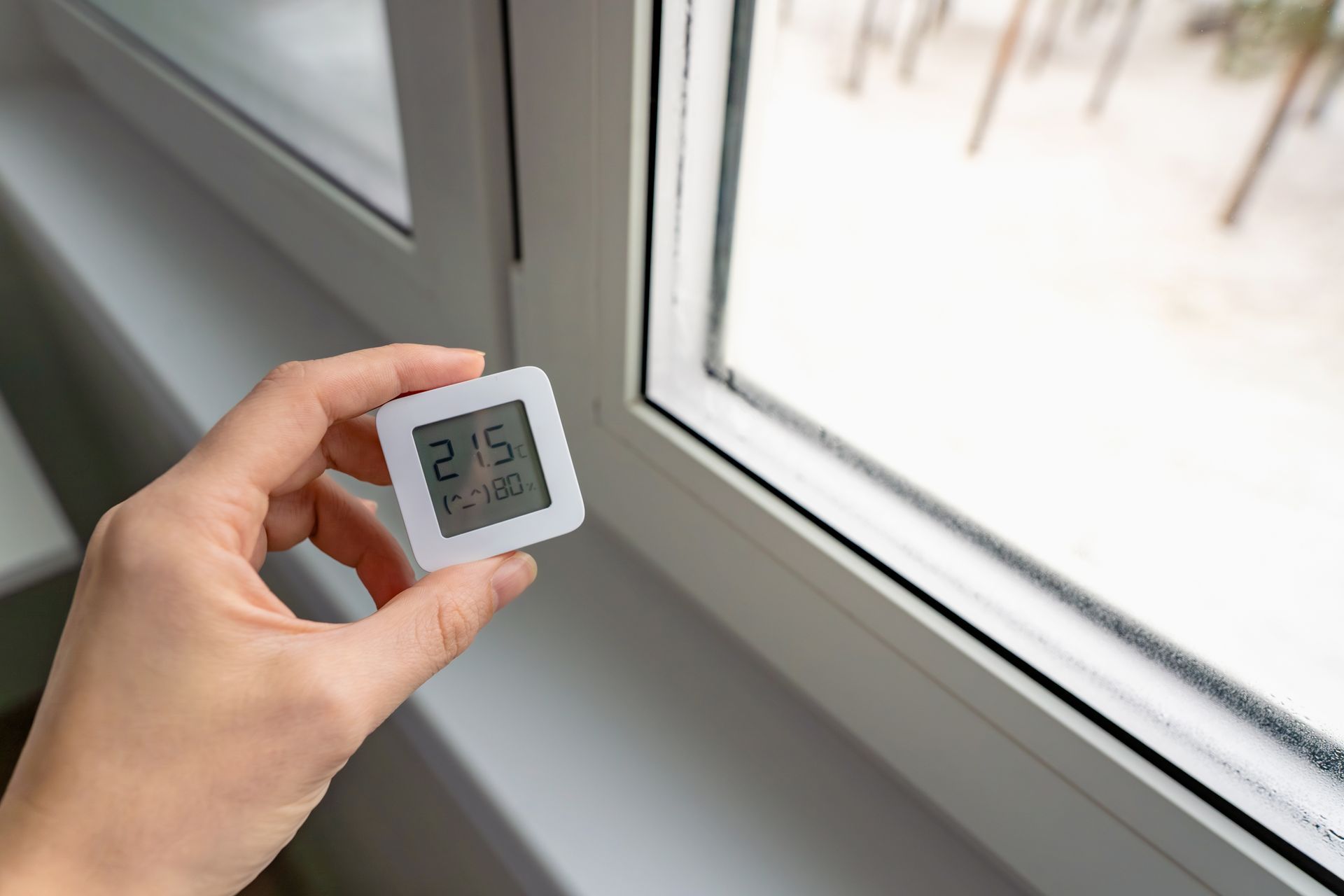
Monitoring humidity weekly during heating season helps prevent levels from dropping below 30 percent, which causes discomfort, or rising above 50 percent, which promotes mold growth and condensation on cold windows.
TCS Mechanical evaluates indoor air quality concerns and recommends solutions based on your household's specific needs and your HVAC system's capabilities. Arrange a consultation to discuss filtration, purification, and humidity control options that integrate with your existing equipment and improve air quality throughout your home.