Repairs That Support Ongoing System Performance
Home repair services in Johnsburg for property maintenance tasks that affect HVAC efficiency and household safety
TCS Mechanical provides general home repairs in Johnsburg, Illinois, focusing on work that supports HVAC system performance and addresses maintenance issues identified during service calls. This includes repairing vent covers that allow unconditioned air infiltration, securing loose ductwork that reduces heating and cooling efficiency, and addressing minor electrical or structural concerns that affect equipment operation. Many homeowners bundle these repairs with scheduled HVAC maintenance, which reduces the need for separate service visits and ensures related issues are resolved while equipment is being serviced.
Common repairs include sealing gaps around refrigerant line penetrations where outdoor air leaks into conditioned spaces, replacing damaged thermostat covers or mounting plates that prevent proper calibration, and securing equipment mounts that vibrate loose over time. These small fixes often prevent larger problems—unsealed penetrations allow moisture infiltration that damages wall cavities, while loose equipment mounts accelerate wear on mechanical components and create noise that disrupts occupied spaces.
Schedule a property evaluation to identify maintenance items that affect comfort or equipment longevity.
How Repairs Address Specific Problems
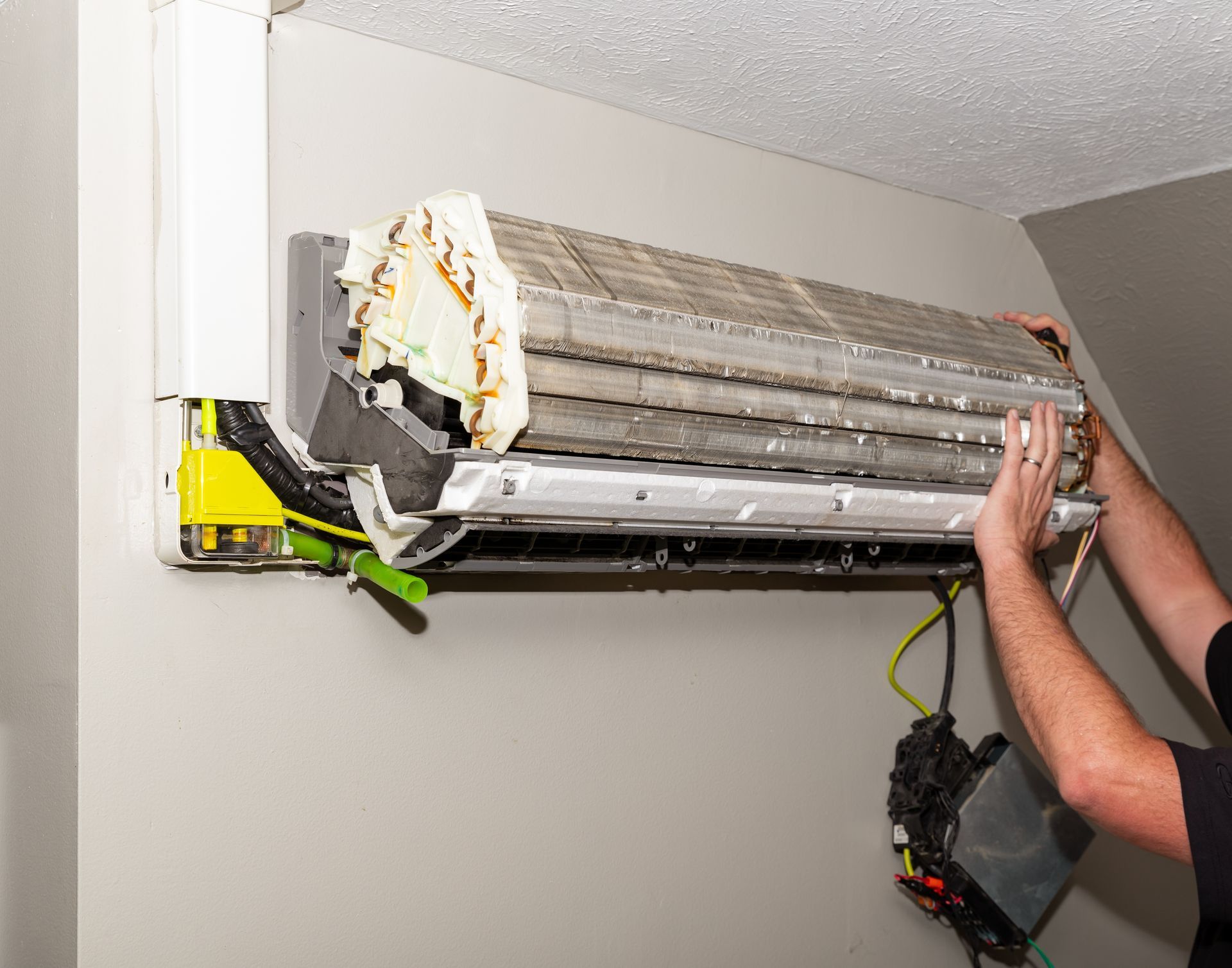
Repairs focus on restoring proper function rather than cosmetic improvements. When ductwork separates at joints, conditioned air escapes into attics or crawlspaces instead of reaching living areas, which causes rooms to stay warmer in summer or colder in winter than the thermostat setting indicates. Resealing those joints with mastic or foil tape stops the leakage and restores airflow balance, which you'll notice as more consistent temperatures and shorter equipment run times.
After completing repairs, you'll see that previously drafty areas no longer pull cold air during winter, or that rooms at the end of long duct runs now reach target temperatures without the system running constantly. Equipment that vibrated or produced rattling noises operates quietly once loose mounts are tightened and components are secured properly. These changes improve day-to-day comfort and reduce energy waste caused by air leaks or mechanical inefficiency.
Repair services complement HVAC work but don't replace specialized trades—electrical panel upgrades, structural modifications, or major plumbing work require licensed professionals in those specific fields. The goal is to address the smaller issues that accumulate over time and affect how your heating and cooling systems perform, preventing situations where minor problems escalate into costly failures or safety concerns.
Common Questions About This Service
Homeowners typically want to know what types of repairs are handled alongside HVAC services and how these tasks improve overall system performance and household safety.
What kinds of repairs can be completed during an HVAC service visit?
Typical repairs include sealing duct leaks, securing loose refrigerant lines, replacing damaged vent covers, repairing thermostat wiring, and addressing minor insulation gaps around equipment penetrations that affect heating and cooling efficiency in homes throughout Johnsburg.
How do small repairs prevent larger problems down the road?
Unsealed gaps allow moisture infiltration that rots wood framing, loose ductwork creates air leaks that overwork heating and cooling equipment, and vibrating components wear out bearings and motor mounts faster, so addressing these issues early avoids costly replacements later.
Can repairs be bundled with regular maintenance appointments?
Yes, identifying and completing minor repairs during scheduled maintenance visits saves time and reduces the inconvenience of arranging separate service calls for each small issue that affects comfort or system performance.
Why does ductwork develop leaks or separations over time?
Temperature changes cause duct materials to expand and contract, which loosens joints sealed only with standard tape, and vibration from blower operation gradually works connections apart if they weren't secured with proper fasteners during original installation.
What should I look for that indicates repair needs?
Signs include rooms that don't reach thermostat settings, visible gaps around vent covers or equipment penetrations, unusual noises from ductwork or equipment mounts, and higher energy bills without corresponding changes in weather or usage patterns.
TCS Mechanical addresses repair needs that affect HVAC performance and household comfort. Request a service appointment to discuss specific maintenance concerns and review what repairs would improve your home's heating, cooling, or overall functionality.