Warmth Without Relying on Natural Gas
Electric furnace and forced air heating installation in Johnsburg for homes prioritizing stable heat delivery without gas line access
TCS Mechanical installs electric furnaces and forced air heating systems throughout Johnsburg, Illinois, with attention to airflow design and temperature consistency. These systems work well for homes without existing gas service, properties converting from older heating methods, or additions where extending ductwork makes sense. The installation process includes matching equipment capacity to your home's square footage and insulation characteristics, ensuring the blower delivers conditioned air evenly across all supply registers.
Electric forced air systems heat air using resistance coils inside the furnace cabinet, then distribute that air through ductwork using a variable-speed or multi-speed blower. Unlike combustion-based systems, electric furnaces don't require venting for exhaust gases, which simplifies installation in homes where chimney access is limited or unavailable. The equipment runs quietly and responds quickly to thermostat calls, which helps maintain set temperatures without the lag sometimes seen in other heating methods.
Request an installation estimate to review system sizing and layout options for your property.
What Proper Installation Requires
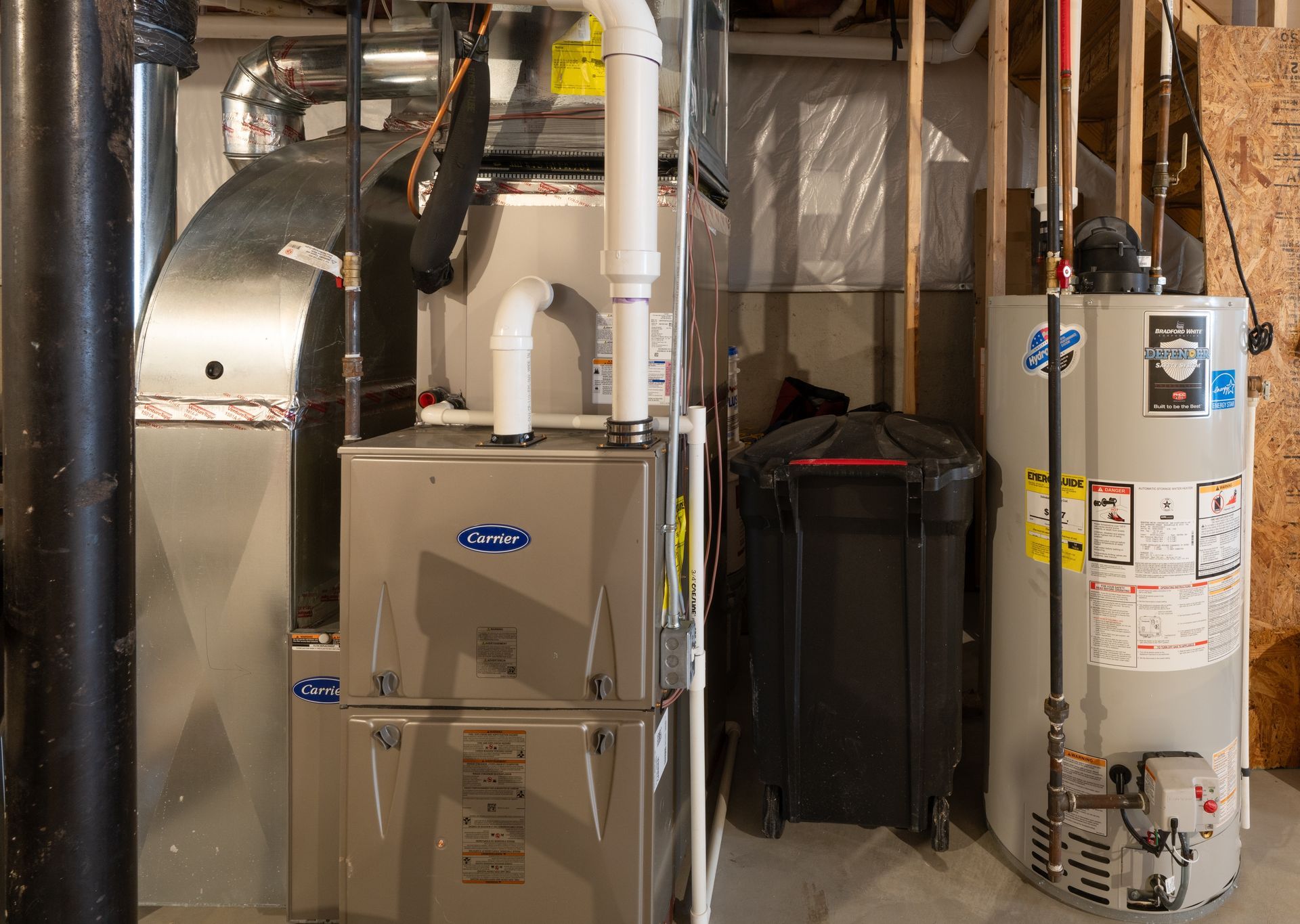
Installation begins with load calculations that account for your home's window area, insulation levels, and typical occupancy patterns. This determines the correct furnace capacity in kilowatts and the blower strength needed to move heated air through your duct system. Undersized equipment runs constantly during cold weather without reaching target temperatures, while oversized units cycle on and off too frequently, creating uneven heating and higher wear on components.
Once the system is running, you'll notice steady heat output across rooms, with registers delivering consistent airflow rather than alternating between cold and very hot air. TCS Mechanical checks supply and return air balance during installation, which prevents pressure imbalances that can pull unconditioned air through gaps in your building envelope. The thermostat responds predictably, and you won't experience the cold spots that sometimes occur when ductwork is improperly sized or when furnace output doesn't match the home's actual heating demand.
Electric furnaces require dedicated electrical circuits rated for the unit's amperage, and installation includes verifying your electrical panel has capacity for the additional load. Homes built before 1990 may need panel upgrades to handle modern electric heating equipment safely. The system integrates with programmable or smart thermostats, allowing you to schedule temperature setbacks during unoccupied hours without sacrificing comfort during active periods.
What Homeowners Usually Ask
These questions come up regularly when property owners consider electric heating systems for their homes or compare installation requirements to other heating methods.
How does an electric furnace compare to gas heating in terms of operating cost?
Electric furnaces convert nearly all input energy into heat, but electricity rates in northern Illinois are generally higher per BTU than natural gas, which means monthly heating costs typically run higher with electric systems unless your home uses solar panels or time-of-use billing that favors off-peak heating.
What maintenance does an electric forced air system require?
You'll need to replace or clean the air filter monthly during heating season, and annual inspections should include checking electrical connections, testing the blower motor and capacitor, and verifying that the heating elements operate within their rated resistance range to prevent premature failure.
Can I use my existing ductwork if I switch to an electric furnace?
Existing ductwork often works with electric systems, but the ducts must be properly sized for the new blower's airflow and sealed to prevent leakage that reduces efficiency and comfort in homes throughout Johnsburg and the surrounding region.
Why would I choose electric heating over a heat pump?
Electric furnaces deliver reliable heat even when outdoor temperatures drop well below zero, whereas air-source heat pumps lose capacity in extreme cold and may require backup heat strips that operate similarly to electric furnaces during the coldest weeks.
How long does installation typically take?
Most installations are completed in one day if your electrical panel has adequate capacity and your ductwork is already in place, though homes needing electrical upgrades or duct modifications may require additional time to complete the work correctly.
TCS Mechanical provides detailed installation estimates that account for your home's specific layout and electrical capacity. Schedule a consultation to discuss system options and review what installation involves for your property.